


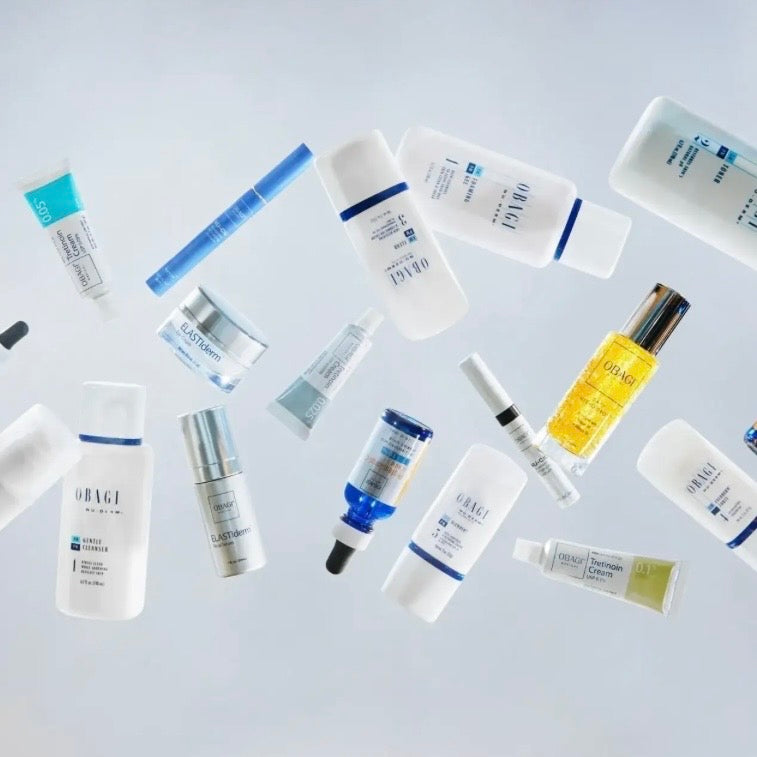
By: MariposaSkincare.com
Your Skin Starts Aging at 25: Here's What That Actually Means
Prejuvenation is the fusion of "prevention" and "rejuvenation," and it represents a fundamental shift in how we think about aging skin. Instead of waiting for wrinkles, sagging, and dark spots to appear and then scrambling to correct them, prejuvenation means acting before visible damage sets in.
Here's the science that makes this urgent: collagen production begins to decline as early as age 25, dropping approximately 1% per year from your mid-20s onward. By your early 30s, your skin may already be 5 to 15% below peak collagen levels.
In your 20s and 30s, skin cell turnover still occurs roughly every 28 days, compared to 45 to 90 days in your 50s and 60s. That faster turnover means medical-grade actives absorb and perform more efficiently now than at any later stage. According to industry survey data, Millennials now start anti-aging products at an average age of 26, compared to age 47 for today's 55-year-olds. What follows is a clinician-curated, tiered routine that meets you where you are, whether you're in your early 20s or mid-30s.
Why the 20s and 30s Are Your Skin's Golden Window
Think of prejuvenation like a retirement fund for your face. The concept of collagen banking works on the same principle: deposit collagen now so you have reserves to draw from in your 40s and 50s. The earlier you start investing, the greater the compound returns.
Your generation also faces a unique aging accelerant that older generations never contended with at the same scale: blue light. Millennials and Gen Z average over 7 hours of daily screen time, and that high-energy visible (HEV) light contributes to oxidative stress and premature skin aging, according to research cited by the American Academy of Dermatology.
Then there's UV radiation. Research published by the Skin Cancer Foundation and Krutmann et al. (2017) in Clinical, Cosmetic and Investigational Dermatology confirms that UV is responsible for 80 to 90% of visible facial aging, including wrinkles, sagging, and hyperpigmentation.
The aesthetic world is responding. The trend in skin architecture is shifting away from filler-heavy correction and toward rebuilding the body's own structural proteins, starting with daily topicals. According to the American Academy of Facial Plastic and Reconstructive Surgery (AAFPRS), over 70% of facial plastic surgeons report increased interest in cosmetic procedures among patients under 30. The cultural momentum behind prejuvenation is real.
The Medical-Grade Difference: Why Physician-Grade Products Outperform Drugstore Picks
Not all skincare is created equal, and when it comes to prejuvenation, the distinction between medical-grade and over-the-counter products matters enormously. Physician-grade formulations contain higher active concentrations, superior delivery systems (such as encapsulation and penetration enhancers), and are validated in clinical settings.
This matters specifically for prejuvenation because you need actives that reach the dermis, where collagen actually lives, not just the surface-level epidermis. A drugstore retinol cream might feel pleasant, but if it cannot penetrate deeply enough to stimulate fibroblast activity, it is not doing the heavy lifting your skin needs.
There's also the authenticity issue. Counterfeit skincare products are a real and growing concern on online marketplaces. Physician-dispensed products are curated and authenticated, eliminating that risk entirely.
At MariposaSkincare.com, we have been an authorized physician retailer for over 17 years, offering clinician-selected products across 12+ professional brands with guaranteed authenticity. If you're building your first medical-grade routine, our shop-by-skin-concern and shop-by-product-type features remove the guesswork so you can find exactly what your skin needs.
The Prejuvenation Holy Trinity: SPF, Vitamin C, and Retinoids
Before you explore advanced boosters and in-clinic treatments, lock in the three non-negotiable pillars of any prejuvenation routine. These are your foundation.
SPF: Your Single Most Powerful Anti-Aging Tool
Since UV radiation causes 80 to 90% of visible facial aging, daily broad-spectrum SPF is not optional. It is the single most impactful prejuvenation step you can take. Apply it every day, year-round, regardless of weather or skin tone. Rain, clouds, and indoor screen time do not let you off the hook.
Vitamin C: Your Antioxidant Shield and Collagen Builder
A vitamin C serum at 15 to 20% concentration is recommended for those in their mid-to-late 20s and 30s. It boosts collagen production, fades hyperpigmentation, and neutralizes free radicals from both UV and blue light exposure. According to Pine Belt Dermatology, visible collagen-building effects typically appear after 3 to 6 months of consistent daily use. Patience pays off.
Retinoids: The Gold Standard of Anti-Aging Actives
Retinoids are the most evidence-backed anti-aging topical ingredient available. They work through multiple mechanisms: keratinocyte proliferation, epidermal and dermal thickening, fibroblast stimulation, and decreased matrix metalloproteinase (MMP) production, which helps preserve existing collagen. As detailed in the ACOFP Journal, retinoids remain the cornerstone of clinical anti-aging protocols.
Start with a lower-strength retinol in your early 20s and graduate to prescription-strength retinoids in your 30s (always under clinician guidance). Introduce retinoids slowly, 2 to 3 nights per week, and always follow with SPF in the morning. Pair with a barrier-supportive moisturizer to manage any initial irritation.
Your 20s Routine vs. Your 30s Routine: A Tiered Approach
In Your 20s: Pure Prevention
- Gentle cleanser (AM and PM)
- Antioxidant vitamin C serum (AM)
- Low-strength retinol, 2 to 3 nights per week (PM)
- Hydrating barrier moisturizer (AM and PM)
- Broad-spectrum SPF 30 to 50, daily (AM)
The goal here is establishing habits and protecting your baseline collagen. Keep it simple and consistent.
In Your 30s: Prevention Plus Early Correction
- Upgrade to a higher-potency retinoid (prescription-strength if appropriate; consult your clinician)
- Add a peptide serum or growth factor product
- Introduce a dedicated eye cream
- Consider an exosome serum as a regenerative booster
- Maintain daily SPF as the non-negotiable anchor
Why peptides in your 30s? A systematic review published in the Journal of Drugs in Dermatology found that topical peptides improve the appearance of fine lines, elasticity, skin texture, and skin thickness. Signal peptides have even performed comparably to retinol in some studies.
Exosomes are an advanced booster generating serious clinical buzz. These nano-sized cellular messengers may support collagen synthesis and inflammation modulation, and search interest has surged 557% year-over-year. It is worth noting, however, that the strongest clinical data currently comes from in-clinic procedural settings, not at-home topicals. We believe in being honest about the evidence.
Above all, remember: consistency over complexity wins. A simple routine done daily will always outperform an elaborate routine done sporadically.
When to Consider In-Clinic Prejuvenation Treatments
Medical-grade topicals and in-clinic treatments are synergistic, not either/or. A strong home routine amplifies and extends the results of microneedling, chemical peels, and laser treatments.
The clinical evidence for early intervention is compelling. A landmark twin study published in the Archives of Facial Plastic Surgery found that the twin who received regular preventive Botox for 13 years showed no imprinted facial lines at rest, while the sporadically treated twin developed visible static glabellar lines. Separately, Dermatology Times reported on a long-term study where patients treated with onabotulinumtoxinA for an average of 9.1 years perceived themselves as nearly 7 years younger than their actual age.
The numbers reflect growing adoption. According to ASPS data, neuromodulators posted a 4% increase in 2024, and AAFPRS survey data indicates 27% of Botox patients in a recent survey year were aged 34 or younger.
That said, early injectables are a personal and clinical decision, not a prerequisite for prejuvenation. The topical routine outlined above is the accessible, evidence-based foundation that works for everyone.
If you do explore in-clinic treatments, choose your provider carefully. The FDA issued a safety communication in October 2025 regarding RF microneedling risks, including burns, scarring, and permanent fat loss when devices are used incorrectly. Always seek board-certified, experienced providers.
For readers in our area, Mariposa Aesthetics & Laser Center offers in-clinic prejuvenation treatments alongside our physician-grade home care, giving you a seamless, clinician-guided approach to prevention.
Start Now: Your Prejuvenation Action Plan
The best time to start a prejuvenation routine was yesterday. The second best time is today. Collagen loss is already underway by 25, and every day you invest in your skin compounds in your favor.
- Lock in daily SPF as your non-negotiable first step.
- Add a medical-grade vitamin C serum to your morning routine.
- Introduce a retinoid at the right strength for your age and skin tolerance.
- Layer in peptides and advanced boosters as you move through your 30s.
Not sure where to start? Shop by skin concern on MariposaSkincare.com for personalized, clinician-curated guidance across 12+ professional brands. Join our VIP list for exclusive offers and store updates, and enjoy free shipping on orders $100 or more.
Prejuvenation is not about fearing aging. It is about investing in the skin you will live in for decades, with the clinical tools that actually work. Your future self will thank you.
Sources
- Vanish Clinic — Prejuvenation for 2026: Your Age-Specific Timeline
- Grand View Research — Anti-Aging Products Market Report
- Sofwave — The Quiet Luxury of Skin Regeneration (2026)
- Market Data Forecast — North America Anti-Aging Market
- Skin Cancer Foundation — Photoaging: What You Need to Know
- Washingtonian — More People Under 30 Are Getting Cosmetic Treatments
- Pine Belt Dermatology — When to Start Retinol and Vitamin C
- ACOFP Journal — Vitamin C, Topical Retinoids, and Sunscreen in Clinical Practice
- PMC — Systematic Review of Topical Peptide Therapies
- Salisbury Plastic Surgery — Exosome Serums in Medical Skincare
- Dermatology Times — Examining the Prejuvenation Trend
- IAPAM — Top Aesthetic Medicine Trends to Watch in 2026


